Mixing & Mastering Tip #161 ·
How to fix harsh, metallic vocals from cheap microphones

Ruslan Slatin
Mastering engineer at slatin.pro, Madrid
Metallic or harsh vocal recordings became a huge headache in the last decade because of the large number of home studio recordings and the widespread availability of cheap microphones.
The quality of the captured sound is significantly influenced by the quality of the equipment used for recording. But if you compare a recording made with a €99 microphone to one made with a €4999 microphone, just by comparing the raw recordings, you might not perceive a significant difference. The disparities become apparent as soon as you begin processing the clip.
The core issues
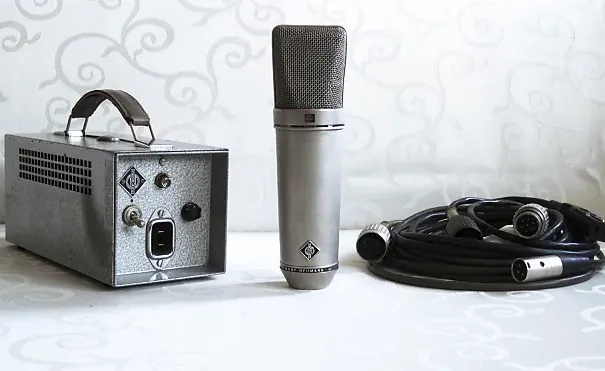
Cheap microphones are often perceived as “metallic”. Hello, RODE NT1.
That sound is typically the result of several factors:
- Poor electronics.
- Lack of a flat frequency response.
- Harmonic distortion.
- Resonances due to an imperfect housing build.
It’s important to note that not all cheap microphones will sound metallic, just as not all expensive microphones sound perfect. With advances in technology, many affordable microphones today offer surprisingly good sound quality for their price.
However, in my experience, cheaper microphones require more processing during the mixing stage, and consequently the resulting sound quality is usually compromised.
Pro tip 1: a tight bell on the high frequencies
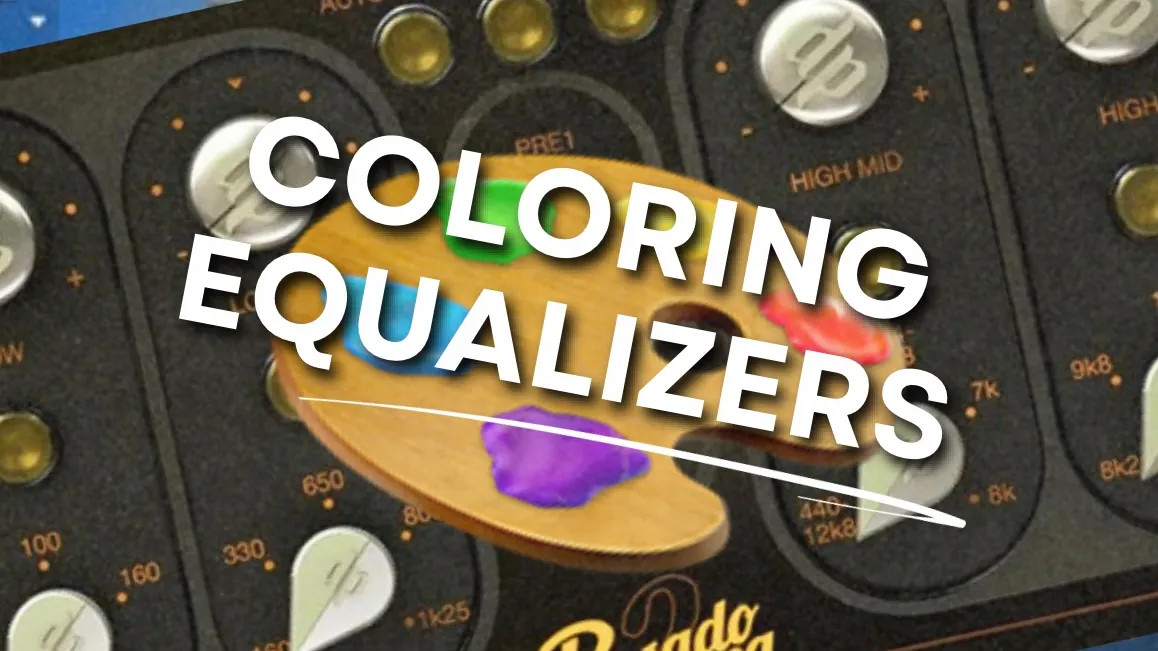
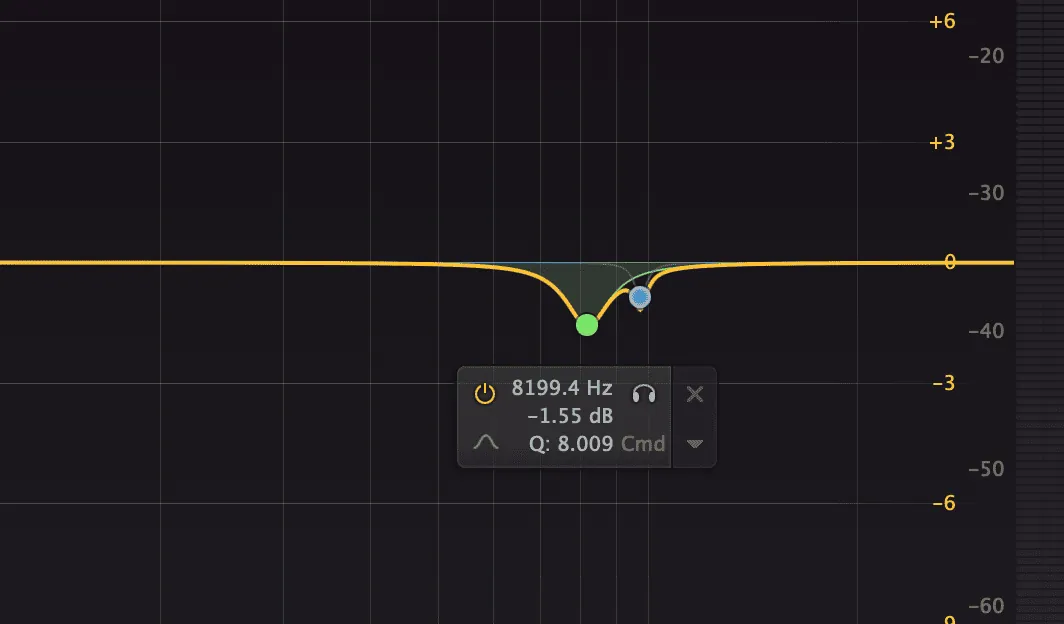
If you want to mitigate the harsh, metallic sound of a microphone, try adding a small EQ bell in the 8, 9 or 10 kHz range (depending on the vocal).
This will greatly reduce the amount of harshness in the take. Do this before you start compressing and saturating. You can go as hard as you need.
But don’t overdo it.
Pro tip 2: a low pass with Indigo SSP
My favourite plugin for reducing harshness from inexpensive microphones is Indigo SSP, used as a low pass. I kept this technique a secret for a few years, and many of my students and mentees now use it daily.
Want this on your own track?
I master more than 1,000 songs a year for artists and labels, from stems or a stereo mix. Send me your track and I'll tell you what it needs.
A new tip like this every week, free: join the newsletter.
Work with me
Whenever you're ready, here's how I can help.
 MentoringMix & Master AcceleratorWeekly video reviews of your tracks, live group calls, and the business side of a studio career.By applicationApply now
 Preset packFUSION150 hand-crafted Valhalla VintageVerb presets. Three clicks to the sound you already hear in your head.20€Get the pack
 CourseAdvanced MicrodynamicsFour hours on the micro-level movement that makes a mix feel alive. Joined by 220+ students.149€See the course
 CourseLow End MasteryKick and bass chemistry, so your low end lands on club rigs and earbuds alike. Joined by 500+ students.159€See the course
 SoftwareStudiOSThe software I run my own studio on: deliveries, client feedback, versions and invoices in one place.14 days freeTry StudiOS