Mixing & Mastering Tip #185 ·
Why you should stop widening your hi-hats (and what to do instead)

Ruslan Slatin
Mastering engineer at slatin.pro, Madrid
There is a big misconception about stereo in the high frequencies.
You see a big stereo spread on a reference track and think: “Ohhh, their highs are SO wide. I gotta match that.”
But here’s the truth: that width isn’t coming from a stereo widener plugin slapped on the master. It’s coming from how things were mixed. Carefully, with intent. It’s not just a plugin doing all the work.
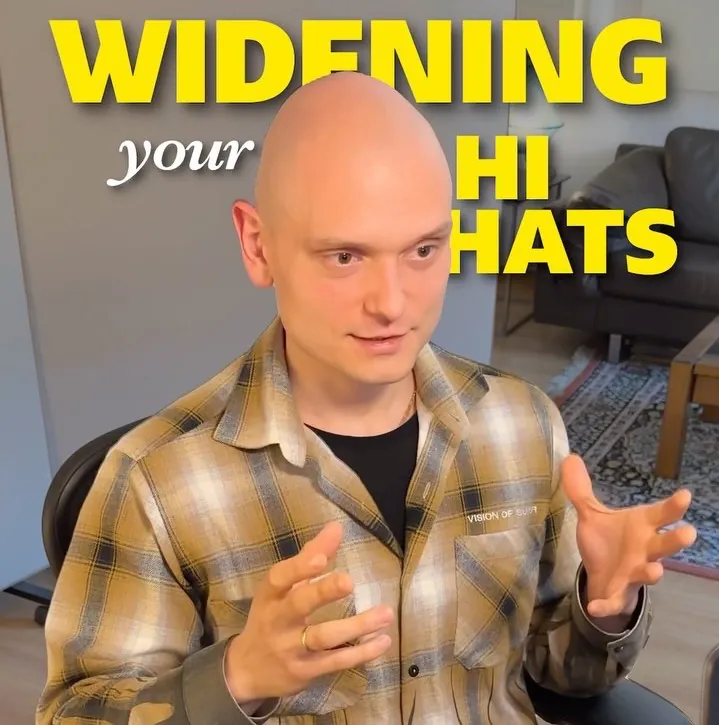
Why I never widen hats or the master
This is why I never recommend widening hi-hats or your master. Not in trap, not in house, not in anything that leans on rhythm to drive the track forward.
The second you throw a widener on them, especially something like the Ozone Imager, it starts sounding weird, phasey, unnatural. Like your hats are falling apart in the stereo field. I can hear that Ozone wash from a mile away.
If your hats are driving the groove, don’t smear them.
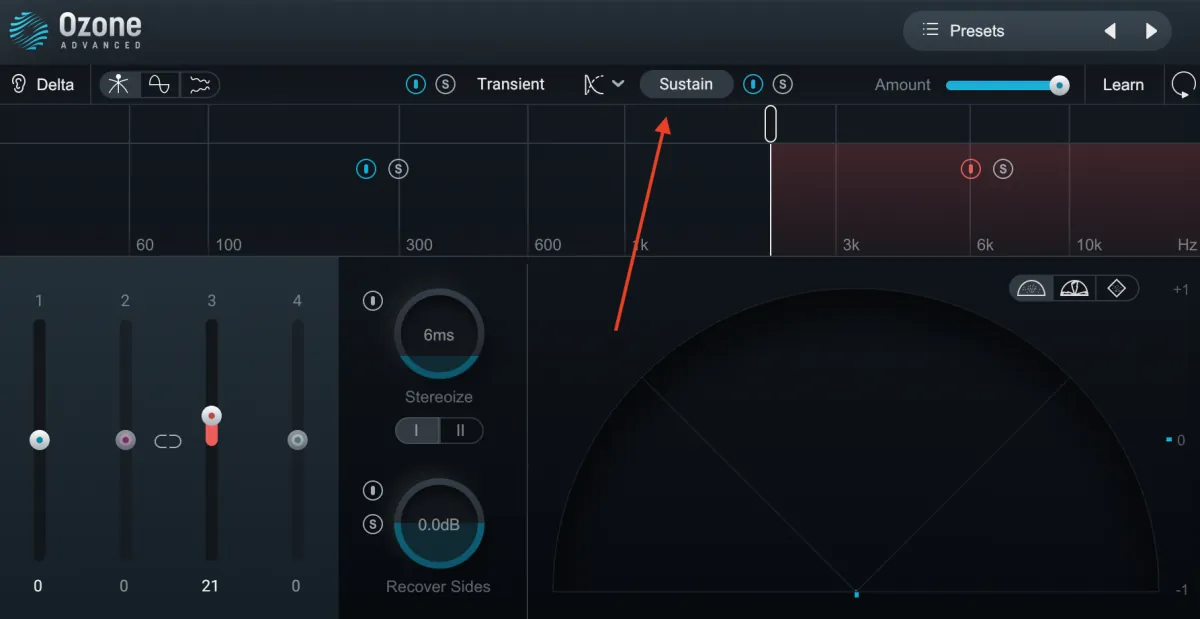
Big warning: don’t just slap wideners on anything with transients.
What to do instead
If your goal is clarity and consistency:
- Use parallel processing instead of insert wideners.
- Use short reverbs as a send.
- Use Sustain mode in Ozone Imager 11 to avoid destroying the transient.
- Use strategic panning instead of doublers or choruses.
- Use different layers and pan one left and one right to create natural width.
Always be intentional. You want to feel the sparkle, not smear it.
Want this on your own track?
I master more than 1,000 songs a year for artists and labels, from stems or a stereo mix. Send me your track and I'll tell you what it needs.
A new tip like this every week, free: join the newsletter.
Work with me
Whenever you're ready, here's how I can help.
 MentoringMix & Master AcceleratorWeekly video reviews of your tracks, live group calls, and the business side of a studio career.By applicationApply now
 Preset packFUSION150 hand-crafted Valhalla VintageVerb presets. Three clicks to the sound you already hear in your head.20€Get the pack
 CourseAdvanced MicrodynamicsFour hours on the micro-level movement that makes a mix feel alive. Joined by 220+ students.149€See the course
 CourseLow End MasteryKick and bass chemistry, so your low end lands on club rigs and earbuds alike. Joined by 500+ students.159€See the course
 SoftwareStudiOSThe software I run my own studio on: deliveries, client feedback, versions and invoices in one place.14 days freeTry StudiOS