Mixing & Mastering Tip #237 ·
Clipper then limiter, or limiter only? When clipping hurts a master

Ruslan Slatin
Mastering engineer at slatin.pro, Madrid
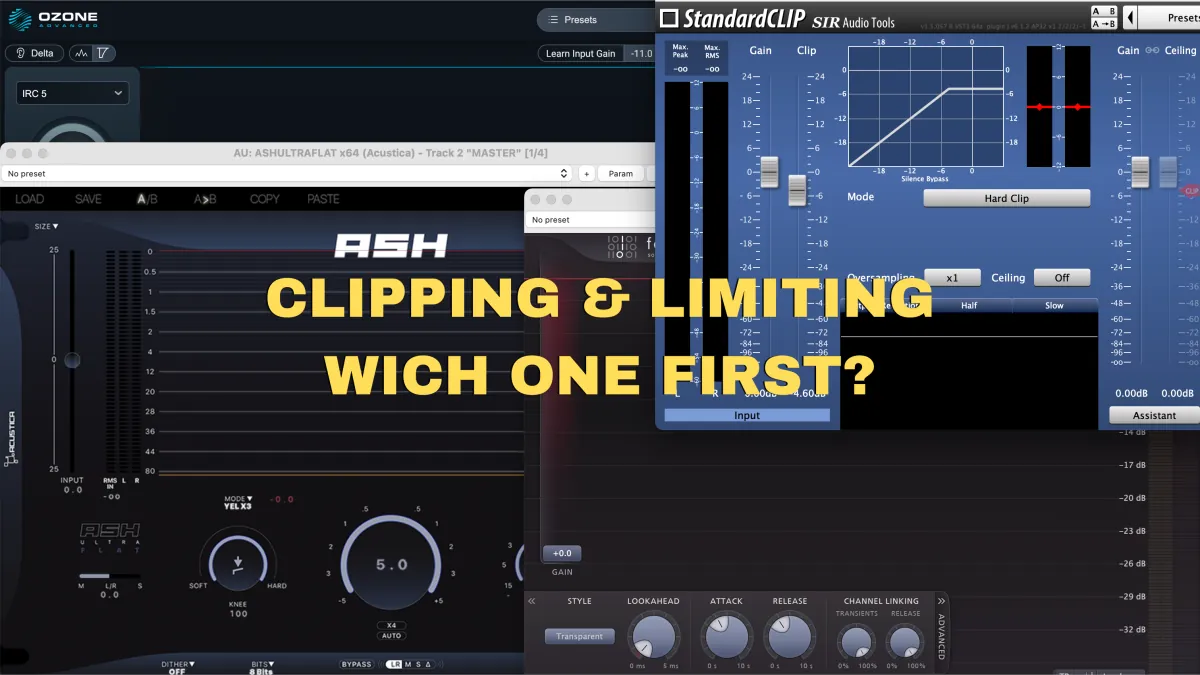
For about 80% of loud songs, I start with clipping, then limiting.
Simple chain. Works almost all the time.
But here’s the part people skip, and it matters: sometimes limiting only (no clipping) actually sounds better.
You always need to A/B before committing. No exceptions.
What the clipper is really doing to your low end
Clippers are wonderful for:
- shaving peaks
- increasing perceived loudness (and headroom)
- making things feel more “in your face”
But they also reshape transients, especially in the low end. And low end is sensitive.
Why? Because even if your mix appears flat on the FabFilter Pro-Q graph, that doesn’t reflect reality. In fact, the low end is the loudest area in 90% of modern songs, which makes it the first frequency range to be clipped.
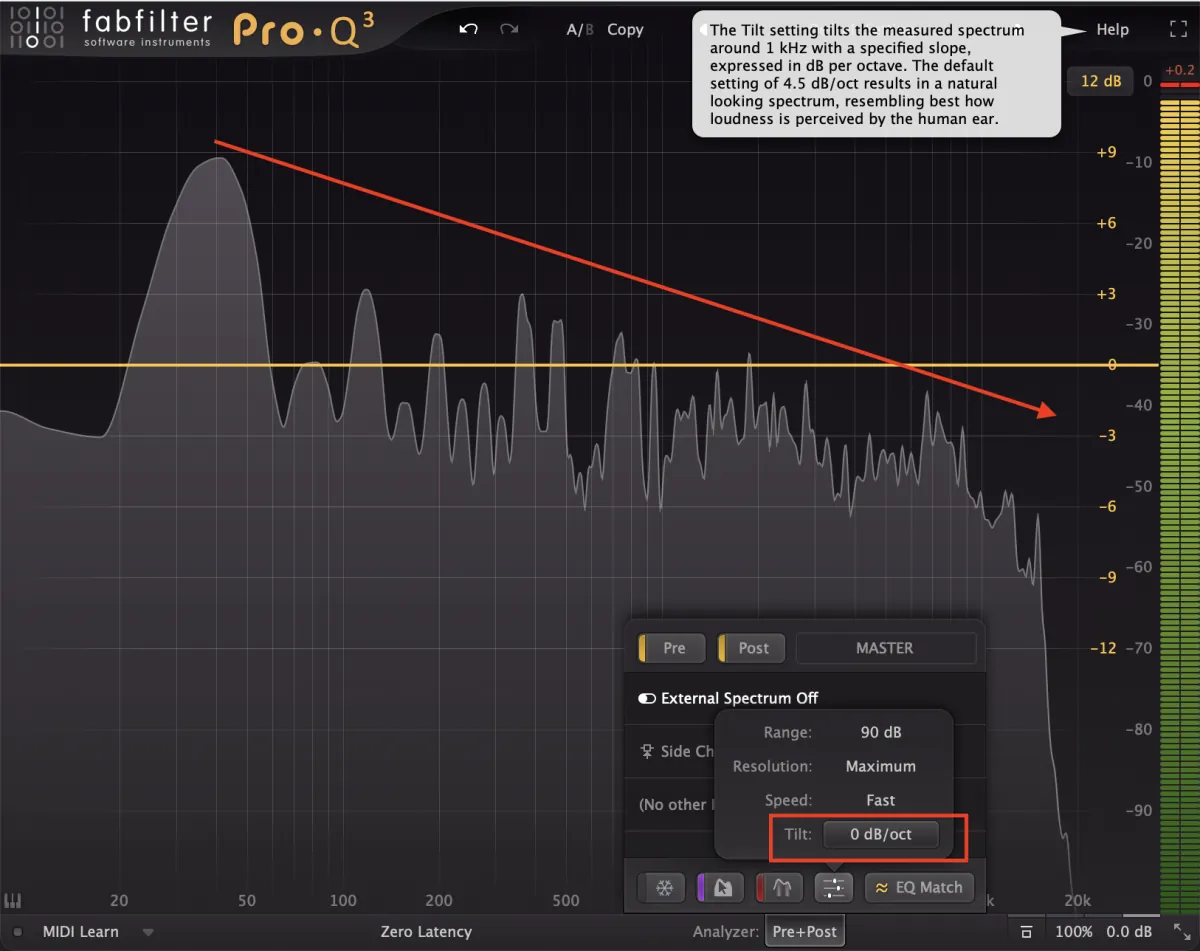
On kicks and bass, this can:
- make them feel tighter, and less groovy
- distort super quickly
- and/or completely kill depth and weight
When should you use the limiter only?
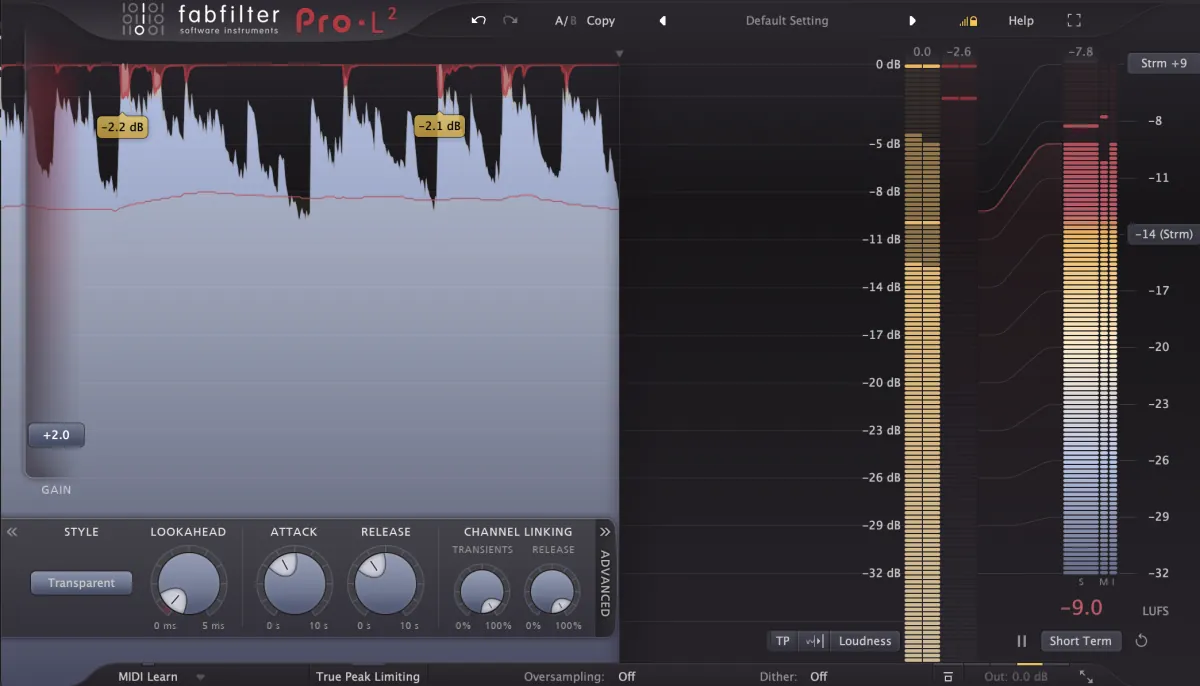
So why can limiting only be better sometimes? A limiter compresses instead of chopping. This is huge for certain types of songs.
1. Songs without drums
There are no aggressive transients to tame, so clipping has no purpose, and the limiter keeps everything smooth and musical.
2. Organic or acoustic tracks
Think live instruments, vocals upfront, natural dynamics.
Clipping here can feel too aggressive. A limiter is more transparent.
3. When you want that compression feel
Limiters add a kind of “glue”: things breathe together, the low end feels rounder and the overall vibe is more cohesive.
Sometimes that’s precisely the sound you need.
There is no fixed chain
So the real takeaway is this: there is no fixed chain. My personal rule:
- Start with clipping plus limiting.
- Then bypass the clipper.
- Level match and compare.
- Listen, don’t look.
Pick the one that feels better, not the one that looks louder.
Want this on your own track?
I master more than 1,000 songs a year for artists and labels, from stems or a stereo mix. Send me your track and I'll tell you what it needs.
A new tip like this every week, free: join the newsletter.
Work with me
Whenever you're ready, here's how I can help.
 MentoringMix & Master AcceleratorWeekly video reviews of your tracks, live group calls, and the business side of a studio career.By applicationApply now
 Preset packFUSION150 hand-crafted Valhalla VintageVerb presets. Three clicks to the sound you already hear in your head.20€Get the pack
 CourseAdvanced MicrodynamicsFour hours on the micro-level movement that makes a mix feel alive. Joined by 220+ students.149€See the course
 CourseLow End MasteryKick and bass chemistry, so your low end lands on club rigs and earbuds alike. Joined by 500+ students.159€See the course
 SoftwareStudiOSThe software I run my own studio on: deliveries, client feedback, versions and invoices in one place.14 days freeTry StudiOS