Mixing & Mastering Tip #236 ·
SBIR or room mode? How to diagnose a 100-130 Hz dip in your studio

Ruslan Slatin
Mastering engineer at slatin.pro, Madrid
If you’ve been fighting a dip around 100-130 Hz, this is where things get REAL interesting.
That range is a prime danger zone for TWO entirely different problems:
- Room modes
- SBIR
And they behave VERY differently. Let’s break it down so you can actually diagnose it yourself.
First, what is SBIR?
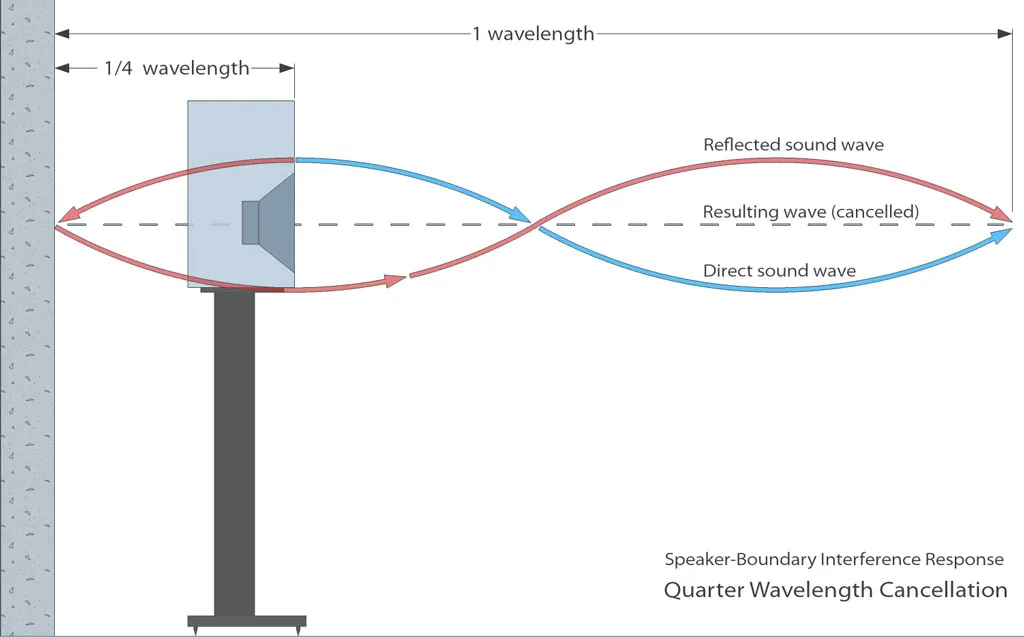
SBIR stands for Speaker Boundary Interference Response. Sounds fancy, but here’s the simple version:
- Your speaker sends sound forward.
- That same sound ALSO hits a surface (front wall, side wall, desk, floor, etc.).
- Then it reflects back.
- And it COLLIDES with the direct sound at your ears.
The result: some frequencies cancel out, and you get dips (usually sharp and nasty).
Why 100-130 Hz specifically?
Because that frequency range often matches:
- the distance between your speakers and the wall behind them, or
- floor and ceiling reflections.
So yes, it’s a SUPER common problem zone.
Mode vs SBIR: this is the key
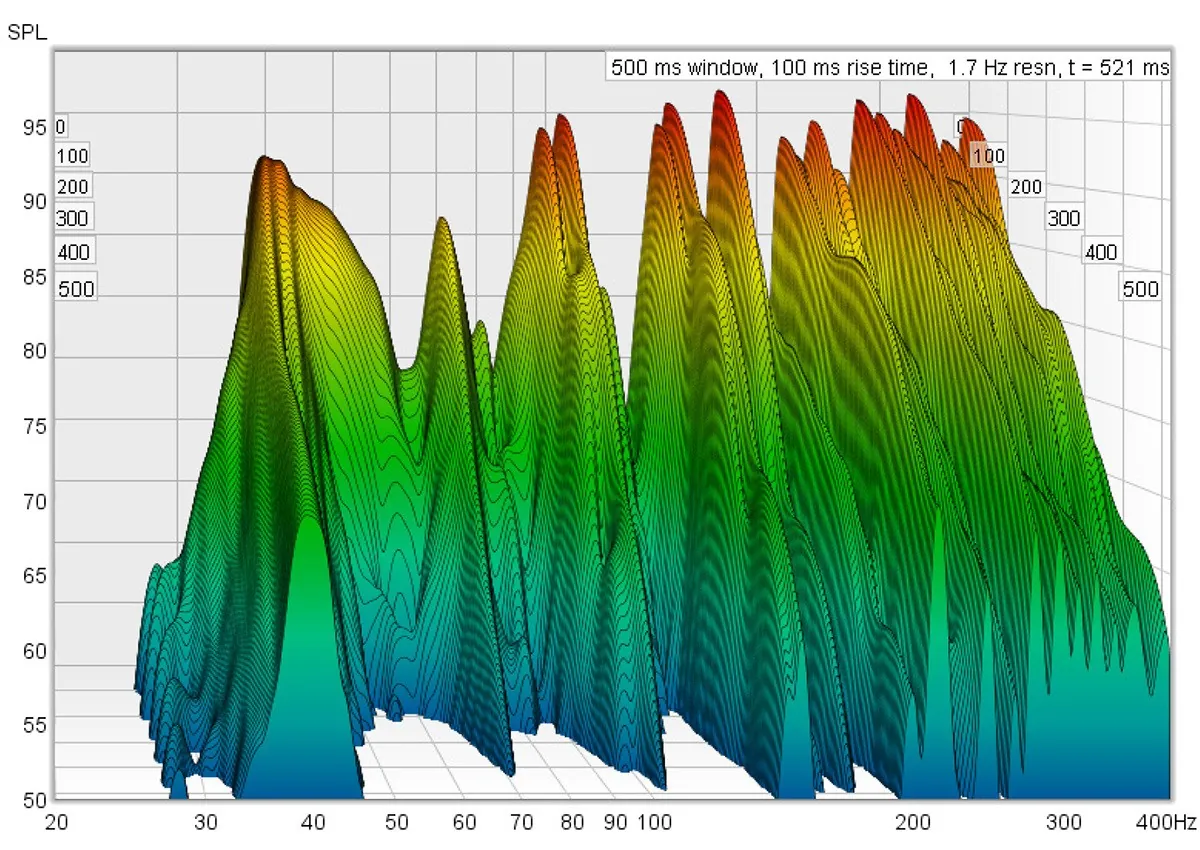
You don’t fix these the same way, so you NEED to identify which one you’re dealing with. Here’s the step-by-step test.
1. Move your speakers forward or back (10-30 cm)
Do this slowly and watch your frequency dip.
- If the dip MOVES in frequency, it’s SBIR.
- If the dip STAYS in the same spot, it’s a ROOM MODE.
Why? SBIR depends on distance, so it shifts. Modes are tied to the room’s dimensions, so they stay fixed.
2. Move your listening position (20-50 cm)
Sit closer or further away.
- If the dip changes A LOT, it’s a ROOM MODE.
- If it barely changes, it’s SBIR.
Modes create peaks and dips across the room. SBIR is more about the relationship between the speaker and the boundary.
3. Raise or lower your speakers (10-20 cm)
This checks the floor and ceiling interaction.
- Dip moves: floor/ceiling SBIR.
- Dip stays: mode.
4. Move the speakers slightly left or right
Just a tiny movement.
- Dip shifts: side-wall SBIR.
- No change: mode.
The common mistake
“Just add more bass traps, bro.”
Yeah, that works GREAT for modes. But for SBIR? Not really.
SBIR is about positioning first, treatment second.
Want this on your own track?
I master more than 1,000 songs a year for artists and labels, from stems or a stereo mix. Send me your track and I'll tell you what it needs.
A new tip like this every week, free: join the newsletter.
Work with me
Whenever you're ready, here's how I can help.
 MentoringMix & Master AcceleratorWeekly video reviews of your tracks, live group calls, and the business side of a studio career.By applicationApply now
 Preset packFUSION150 hand-crafted Valhalla VintageVerb presets. Three clicks to the sound you already hear in your head.20€Get the pack
 CourseAdvanced MicrodynamicsFour hours on the micro-level movement that makes a mix feel alive. Joined by 220+ students.149€See the course
 CourseLow End MasteryKick and bass chemistry, so your low end lands on club rigs and earbuds alike. Joined by 500+ students.159€See the course
 SoftwareStudiOSThe software I run my own studio on: deliveries, client feedback, versions and invoices in one place.14 days freeTry StudiOS